
Cloud-Kitchen Food vs Home-Style Meals: Which Is Healthier?
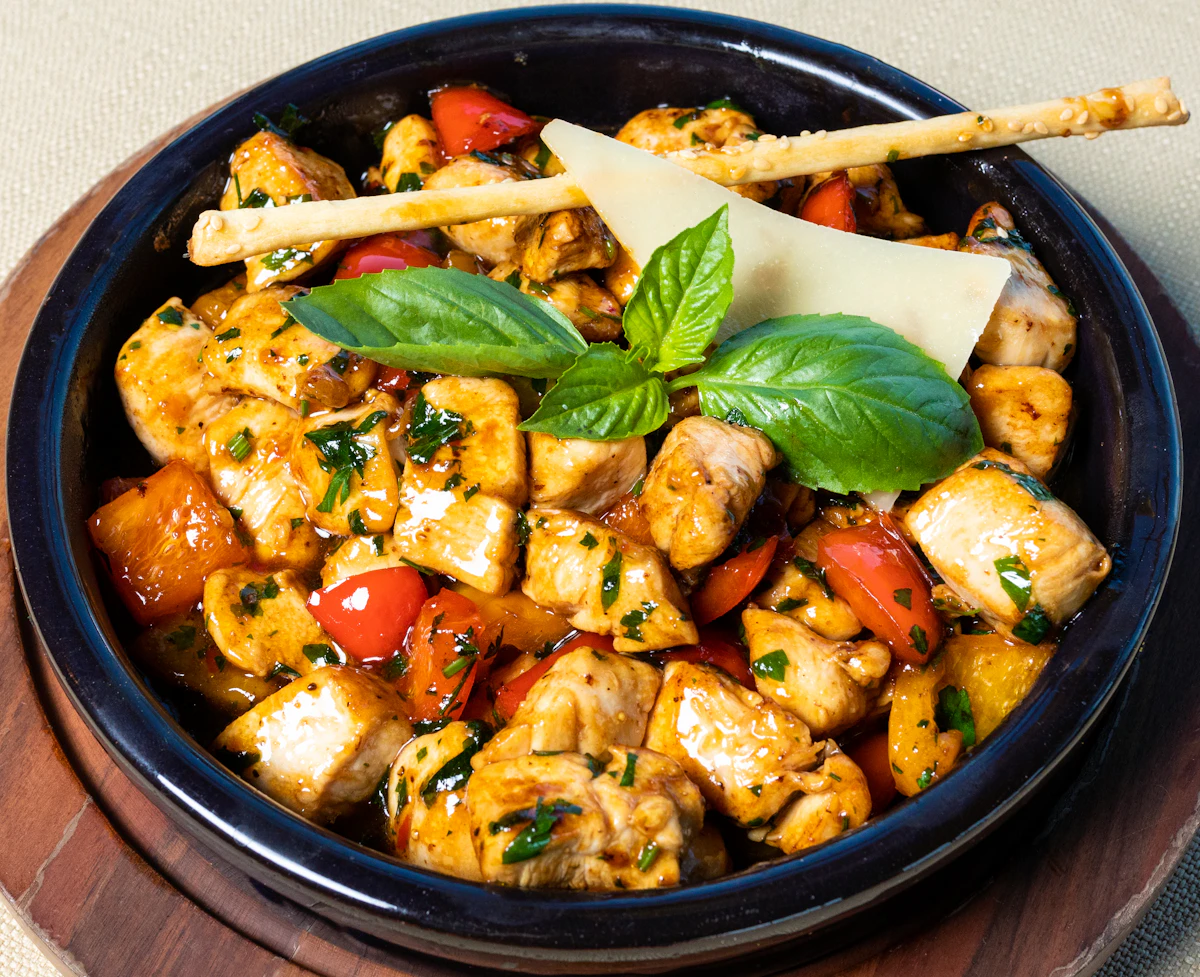
Both arrive in a sealed box, delivered by someone on a bike, ordered from a screen. From the outside, a cloud-kitchen meal and a home-style meal service look like the same thing wearing different logos. But "comes in a box" is where the similarity ends. What happens before the box is sealed — how the food is cooked, how much oil goes in, how big the portion is, how fresh it actually is — is where the health gap quietly opens up.
This isn't a blanket attack on cloud kitchens. Some are excellent. The point is that the business model of a typical cloud kitchen pushes its food in a particular direction, and that direction is rarely "what's best for someone eating it five days a week at a desk."
What a cloud kitchen is actually optimised for
A cloud kitchen exists to win on a delivery app. That means it's optimised for the things the app rewards: photogenic food, bold flavour that survives a 30-minute commute in a box, a price point that beats the listing next to it, and dishes that hold up after travel. Those are commercial goals, not nutritional ones — and they have predictable consequences:
- More oil and fat, because they carry flavour and keep food from drying out in transit.
- More salt and stronger spice, because intensity is what reads as "tasty" through a box.
- Bigger or richer portions, because value-per-rupee sells, even if it's more than a desk lunch needs.
- Batch cooking and holding, because made-to-order at scale is slow, so food often sits warm or gets reheated.
None of this makes a single meal harmful. It makes a daily diet of such meals heavier, saltier, and oilier than your body wants — and that's exactly the cadence a working professional eats at.
What "home-style" is actually supposed to mean
"Home-style" gets slapped on a lot of menus, so it's worth defining honestly. A genuinely home-style meal isn't a marketing word — it's a cooking philosophy. Food cooked the way a careful home kitchen cooks it: measured oil, real spice rather than masking spice, portions sized for a person rather than a photo, and cooked fresh that day instead of batched and held.
That's the standard Nuggit cooks to. Meals are chef-cooked, home-style vegetarian, made the same morning they're delivered — never frozen or reheated — from FSSAI-certified kitchens, with macros tracked so a balanced plate isn't a happy accident. The aim isn't to thrill you for one bite; it's to be the meal you can eat every weekday without it working against you.
The honest test of "home-style" isn't the label — it's three questions. Was it cooked fresh today, not reheated? Is the oil measured, not poured for flavour? Is the portion sized for a person, not a photo? Real home-style says yes to all three.
The three things that actually decide healthiness
Oil and fat
Restaurant and cloud-kitchen gravies lean on oil and ghee because fat carries flavour and survives transit. A home-style kitchen uses oil deliberately, so the dish tastes of its ingredients, not of grease. Over a week of lunches, that difference is the gap between feeling fuelled and feeling sluggish.
Portion size
A big portion feels generous and photographs as value, but a desk worker who eats 800-plus calories at lunch is signing up for the 3 PM slump. Home-style portioning aims for enough — satisfying, balanced, and sized to be followed by an afternoon of work, not a nap. We dug into the actual numbers in how many calories your office lunch should have.
Freshness
This is the quiet one. Cooked-fresh-today food and reheated-from-a-batch food can look identical in a box, but they aren't the same meal. Freshly cooked food tastes better, holds its nutrition better, and simply sits better. We wrote a whole piece on fresh-cooked versus reheated meals because it matters more than people assume.
A fair comparison
| Health factor | Typical cloud-kitchen meal | Genuine home-style meal |
|---|---|---|
| Oil and fat | Generous, flavour-and-transit driven | Measured, ingredient-led |
| Salt and spice | Intense to read through a box | Balanced for everyday eating |
| Portion size | Sized to sell as value | Sized for a working person |
| Freshness | Often batched and held / reheated | Cooked the same morning |
| Daily suitability | Fine occasionally, heavy as a habit | Built to eat five days a week |
Notice the last row. A cloud-kitchen meal can be a perfectly good sometimes food. The question this post asks is which is healthier as your default lunch — and there, the home-style approach wins by design, not by luck.
So, which is healthier?
For a one-off craving, eat the cloud-kitchen biryani and enjoy it. For the meal you eat most weekdays, the answer is clear: genuinely home-style food — cooked fresh, measured in oil, portioned for a person, and tracked for macros — is the healthier daily default. The label "home-style" only counts if the kitchen behind it actually earns it.
If healthy everyday eating is the goal, our guides on a balanced Indian thali's nutrition and home-style meals for weight management go deeper. Or just look at daily home-style meals near you and judge the plate yourself.
Frequently asked questions
Aren't some cloud kitchens healthy too? Some are. The issue is the model: cloud kitchens are built to win on delivery apps, which rewards oil, intensity, and value-portions. Healthy ones exist, but they're swimming against the incentives. Home-style cooking starts from the other direction.
Does "cooked fresh today" really change the health, or just the taste? Both. Freshly cooked food retains nutrition better and sits better than food that's been batched, held, and reheated. Nuggit cooks the same morning and never reheats, which is the whole point of home-style.
How do I know the portions are right for a desk job? Macros are tracked and portions are built for a working adult's afternoon — enough to satisfy, not so much that you crash at 3 PM.
Fresh, chef-cooked lunches delivered daily across Hyderabad — from ₹90 a meal, no delivery fees.
See what's cooking near you

