
FSSAI, Hygiene & Trust: How to Choose a Safe Daily Food Provider
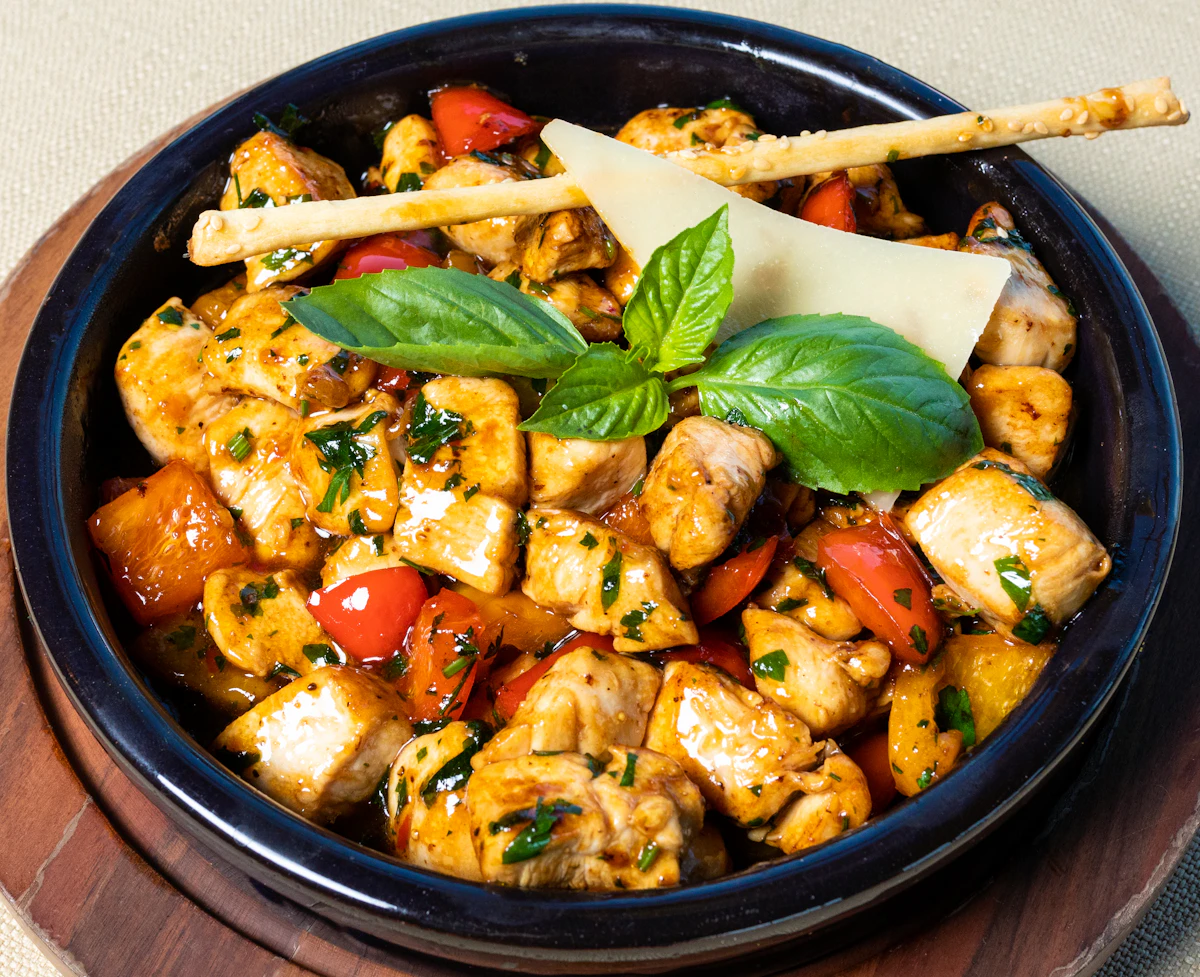
Eating out once is a gamble you can afford to lose. Eating from the same kitchen every single day is a different kind of bet — because if that kitchen is careless, you're not risking one bad afternoon, you're compounding a small daily risk over months. Most people scrutinise a restaurant they visit twice a year and never think twice about the tiffin or subscription that feeds them 250 lunches. That's backwards. The food you eat daily deserves the most scrutiny, not the least.
The good news is that you don't need to be a food-safety inspector to choose well. You need a basic grasp of what the certifications actually mean, a short list of questions that separate serious kitchens from casual ones, and a feel for the red flags worth walking away from. This post gives you all three, so you can hand your daily lunch to someone you've actually vetted.
What FSSAI actually means (and what it doesn't)
FSSAI — the Food Safety and Standards Authority of India — is the national regulator for food businesses. A kitchen that is FSSAI-certified has registered with the authority and committed to operate under its food-safety standards: hygiene norms, handling practices, and accountability for what it serves. Crucially, it means the business is on the record. There's a registered entity standing behind your food, not an anonymous kitchen you can't trace if something goes wrong.
What FSSAI certification is not is a one-time gold star you can stop thinking about. It's the floor, not the ceiling. A serious food provider treats certification as the baseline and layers ongoing practice on top of it — regular hygiene checks, clean handling, proper storage, and chefs who actually cook to standard every day. So the right question isn't only "are you FSSAI-certified?" It's "are you certified and do you run regular hygiene checks on top of it?" The certificate is the entry ticket; the daily discipline is what keeps you safe.
FSSAI certification is the floor, not the finish line. It tells you a registered business is accountable for your food — but it's the daily hygiene checks and same-morning cooking that actually keep 250 lunches a year safe. Ask about both.
The questions worth asking before you commit
Before you let any provider feed you daily, ask these. The answers — and how readily they're given — tell you almost everything:
- Are you FSSAI-certified? A confident yes, with the registered entity to back it, is the baseline. Hesitation is a signal.
- Do you run regular hygiene checks? Certification is a moment; hygiene is a practice. You want both.
- When is the food cooked relative to delivery? "Fresh the same morning" is a very different answer from "batch-cooked and reheated" or a vague non-answer.
- Is it frozen at any point? Freezing and reheating introduces handling and safety considerations that same-day cooking sidesteps entirely.
- Who actually cooks it? Real chefs in a managed kitchen is not the same as an untraceable home setup with no oversight.
A provider that answers these clearly and without defensiveness is one that has thought about your safety. A provider that gets cagey is telling you something too.
Red flags worth walking away from
You don't always get straight answers, so learn to read the signals. Any of these is worth a pause:
| Red flag | Why it matters |
|---|---|
| No FSSAI registration, or evasiveness about it | No accountable entity standing behind your food |
| "Fresh" claims with no answer on when it's cooked | Often means batch-cooked and reheated |
| Vague about freezing and reheating | Freeze-reheat cycles add handling risk |
| No mention of hygiene practice at all | Certification without daily discipline is hollow |
| Can't tell you who cooks the food | No clear ownership of quality or safety |
None of these is automatically disqualifying on its own, but stacked together they describe a kitchen that hasn't taken your daily safety seriously — and daily is exactly the timeframe that matters here.
Why this matters more for daily eating than anything else
Here's the bit people underweight. Risk from food isn't only the dramatic one-off — it's also the slow accumulation. Eating from a careless kitchen every weekday for a year is 250 small exposures to whatever corners that kitchen cuts. Conversely, eating daily from a kitchen that's genuinely careful is one of the quietly best things you can do for your health, precisely because it repeats. Consistency cuts both ways: it punishes a bad provider's shortcuts and rewards a good one's discipline.
That's the standard Nuggit is built around. Meals are chef-cooked by real chefs in FSSAI-certified kitchens, with regular hygiene checks, and cooked fresh the same morning — never frozen, never reheated. It's home-style vegetarian food made to a daily standard rather than a one-off performance, which is the only kind of food worth eating five days a week. If you're weighing this against the alternatives, cloud kitchen vs home-style meals: which is healthier and why fresh-cooked beats reheated are the natural next reads.
Trust is a daily test, not a one-time check
The mistake is treating food safety as a box you tick once when you sign up. It's really a standard a kitchen either meets every single morning or doesn't. Certification, hygiene checks, same-day cooking, real chefs — none of those mean much as a claim. They mean everything as a practice repeated daily. When you're choosing who feeds you 250 times a year, choose the kitchen that treats every one of those mornings the same way. You can see the kind of daily, certified-kitchen plates that standard produces in meals across Hyderabad.
Frequently asked questions
Is FSSAI certification enough on its own?
It's the necessary baseline — it means a registered, accountable business is behind your food and committed to safety standards. But for daily eating you also want ongoing hygiene checks and same-morning cooking. Certification plus daily discipline is the combination that actually protects you.
How do I know if food is freshly cooked or reheated?
Ask directly when it's cooked relative to delivery. "Fresh the same morning" is a clear, confident answer; vagueness or talk of long shelf life often points to batch-cooking and reheating. A kitchen proud of cooking fresh will tell you so plainly.
Why does this matter so much for a daily subscription specifically?
Because daily eating compounds. A small risk taken 250 times a year is a very different bet from eating somewhere once. That's why the kitchen that feeds you every weekday deserves more scrutiny than the restaurant you visit twice a year — and why a genuinely careful one is so valuable.
Fresh, chef-cooked lunches delivered daily across Hyderabad — from ₹90 a meal, no delivery fees.
See what's cooking near you


